Bosnia and Herzegovina is not only famous for its beautiful landscapes and rich history, but also for its delicious traditional food. From lively city streets to small village markets, the country offers a variety of local specialties. If you visit, make sure to try these dishes and enjoy the authentic flavors of Bosnian cuisine.
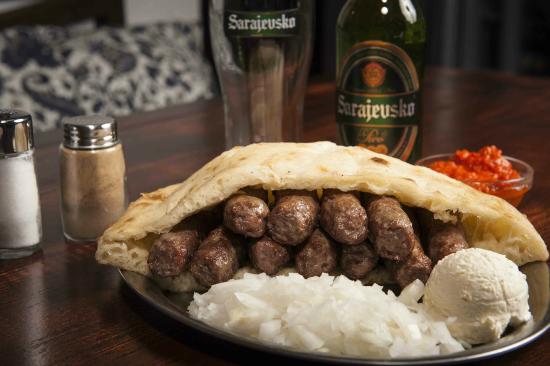
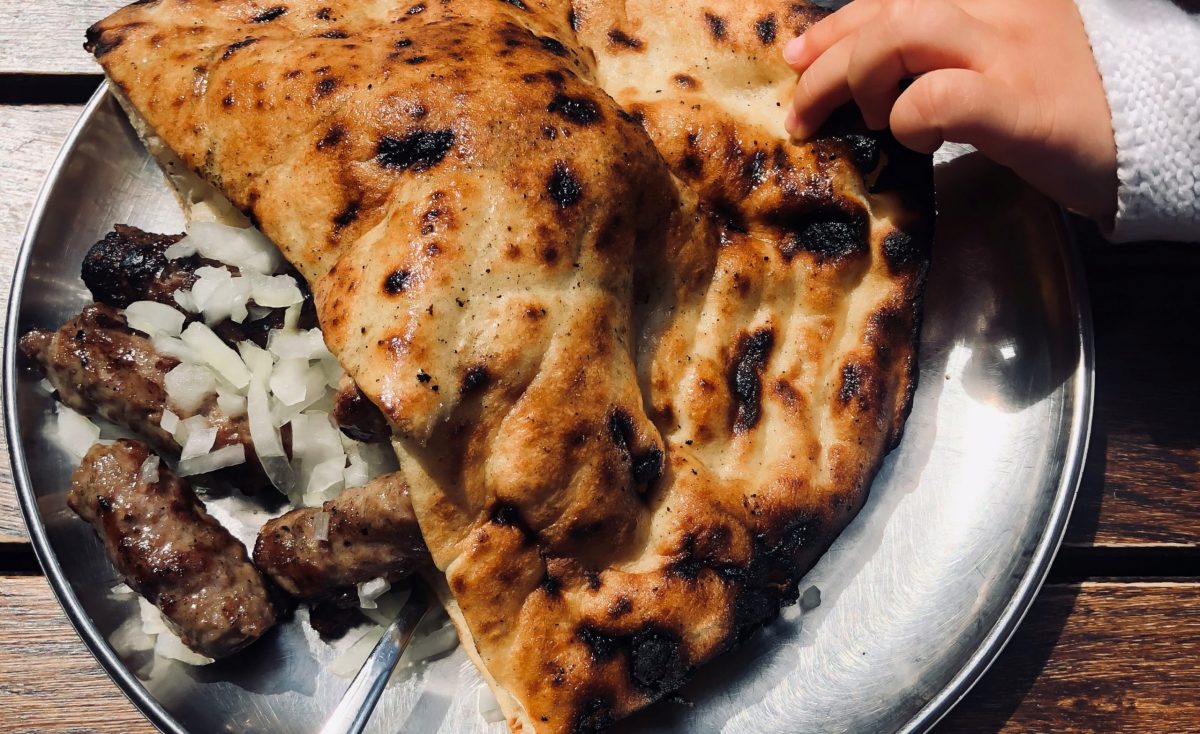
Ćevapi Ćevapi are small, flavorful grilled sausages made from minced meat, usually a mix of beef and lamb. They are traditionally served with somun (a soft flatbread), fresh onions, and a red pepper sauce called ajvar. Often accompanied by a side of yogurt or cheese, Ćevapi is a must-try dish in Sarajevo and other Bosnian cities, offering a true taste of authentic Bosnian cuisine.
Burek Burek is a delicious pastry filled with meat, cheese, or spinach. It is made from very thin layers of dough called yufka, carefully rolled and baked until crispy and golden. Burek is often eaten for breakfast or as a snack, and it is a favorite among locals and visitors alike. You can find it in bakeries and street stalls across Bosnia, making it an easy and tasty way to experience traditional Bosnian cuisine.

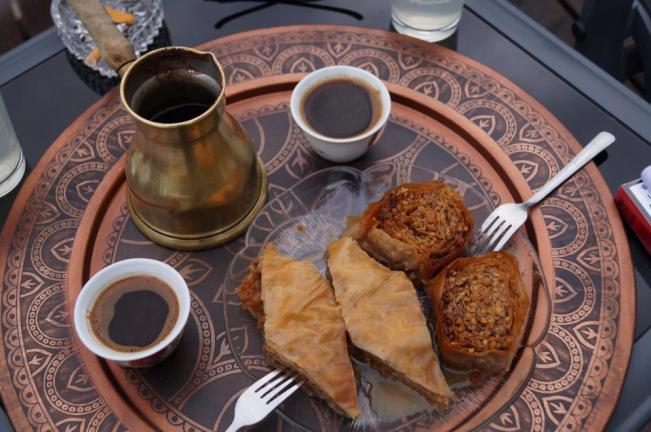
Bosnian Coffee No meal is complete without a cup of Bosnian coffee. It is served in a small džezva, which is a traditional coffee pot, along with a glass of water. Drinking Bosnian coffee is a slow and social experience that is deeply rooted in the culture. It is often enjoyed with friends or family while having a conversation. This coffee pairs perfectly with Baklava, a sweet layered dessert, making it a delightful way to end a meal or take a relaxing break during the day.
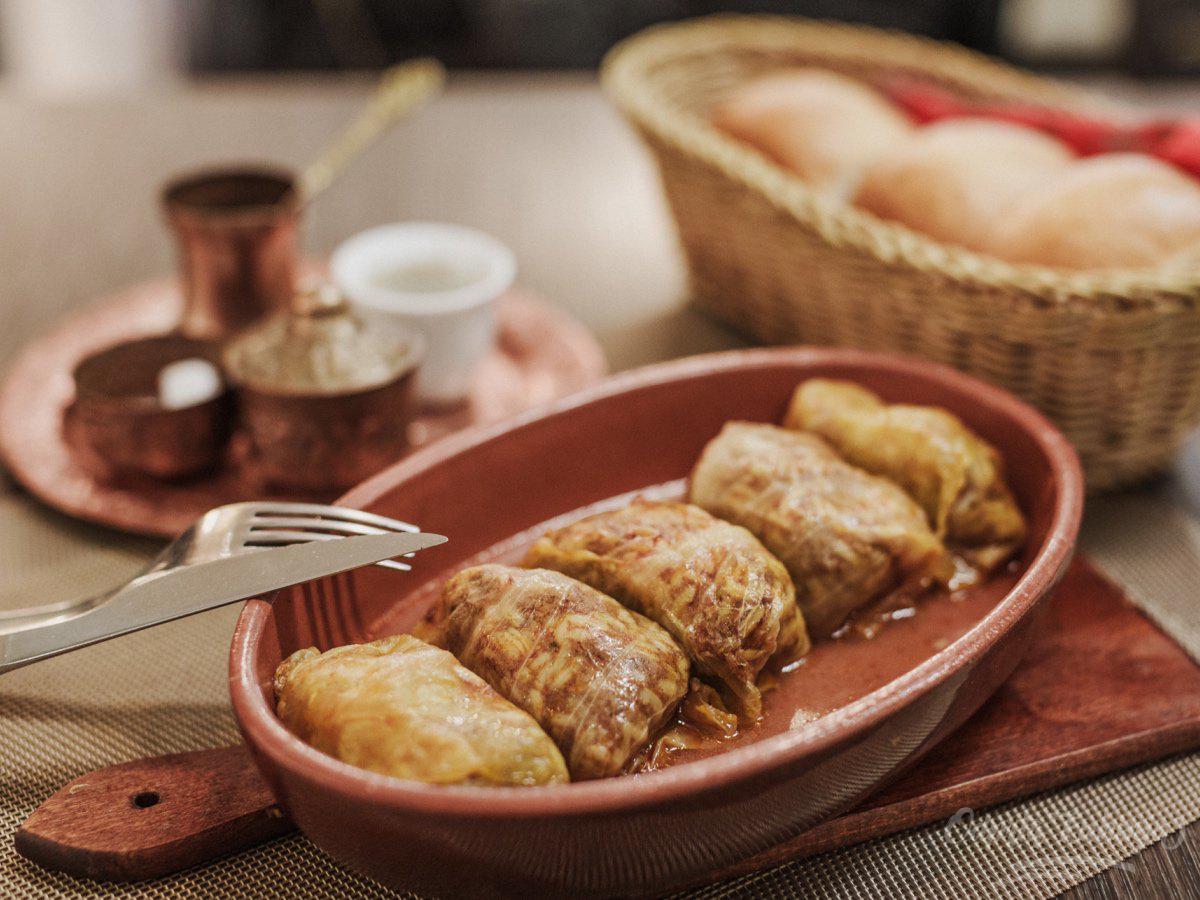
Sarma Sarma is made of cabbage leaves filled with minced meat, rice, and spices. The rolls are cooked slowly in a pot, often with smoked meat, which gives them a rich flavor. Sarma is especially popular during the winter and is often prepared for holidays and family celebrations.
Bosnia and Herzegovina is not only famous for its beautiful landscapes and rich history, but also for its delicious traditional food. From lively city streets to small village markets, the country offers a variety of local specialties. If you visit, make sure to try these dishes and enjoy the authentic flavors of Bosnian cuisine.
Bosnia and Herzegovina has a long and complex history shaped by different cultures, empires, and traditions. Located in the heart of the Balkans, the country has been influenced by both Eastern and Western civilizations. Throughout the centuries, Bosnia and Herzegovina has experienced periods of independence, foreign rule, and conflict, all of which have shaped the country we see today.
Sarajevo is a city full of history, culture, and unique architecture. Known as the place where East meets West, Sarajevo offers a mix of Ottoman, Austro-Hungarian, and modern influences. The city has a rich past but also a lively present, with cafés, markets, and beautiful nature all around. From historic streets to peaceful green areas, Sarajevo has something for every visitor. If you are visiting Sarajevo, these are five places you should not miss.
Bosnia and Herzegovina has a long and complex history shaped by different cultures, empires, and traditions. Located in the heart of the Balkans, the country has been influenced by both Eastern and Western civilizations. Throughout the centuries, Bosnia and Herzegovina has experienced periods of independence, foreign rule, and conflict, all of which have shaped the country we see today.
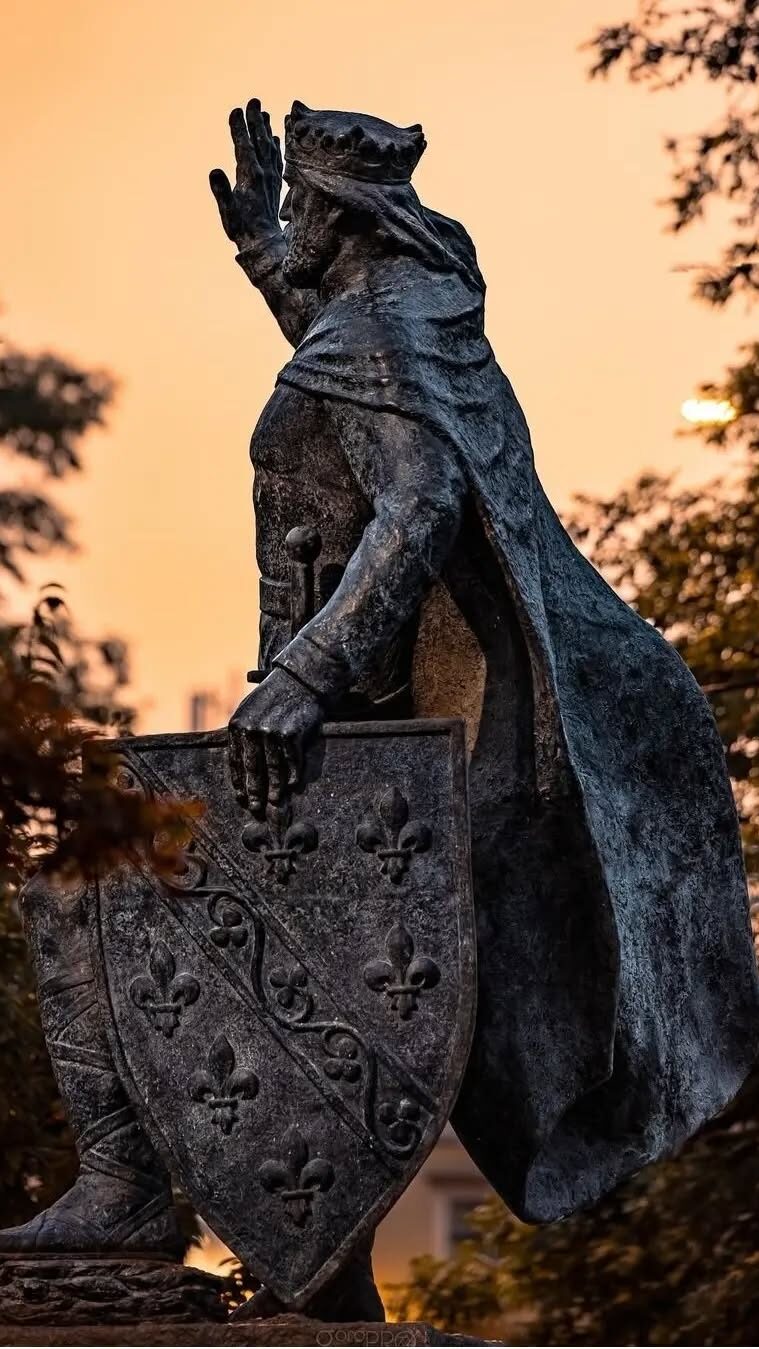
Medieval Bosnia During the Middle Ages, Bosnia developed as an independent kingdom with its own political and cultural identity. One of the most important rulers was Tvrtko I of Bosnia, who was crowned king in 1377. Under his rule, Bosnia reached its greatest territorial expansion and political strength, becoming one of the most influential states in the region at the time. Trade and connections with neighboring regions helped the kingdom grow economically and culturally. The medieval Bosnian state also had its own culture and religious traditions, including the unique Bosnian Church, which played an important role in the country’s history.
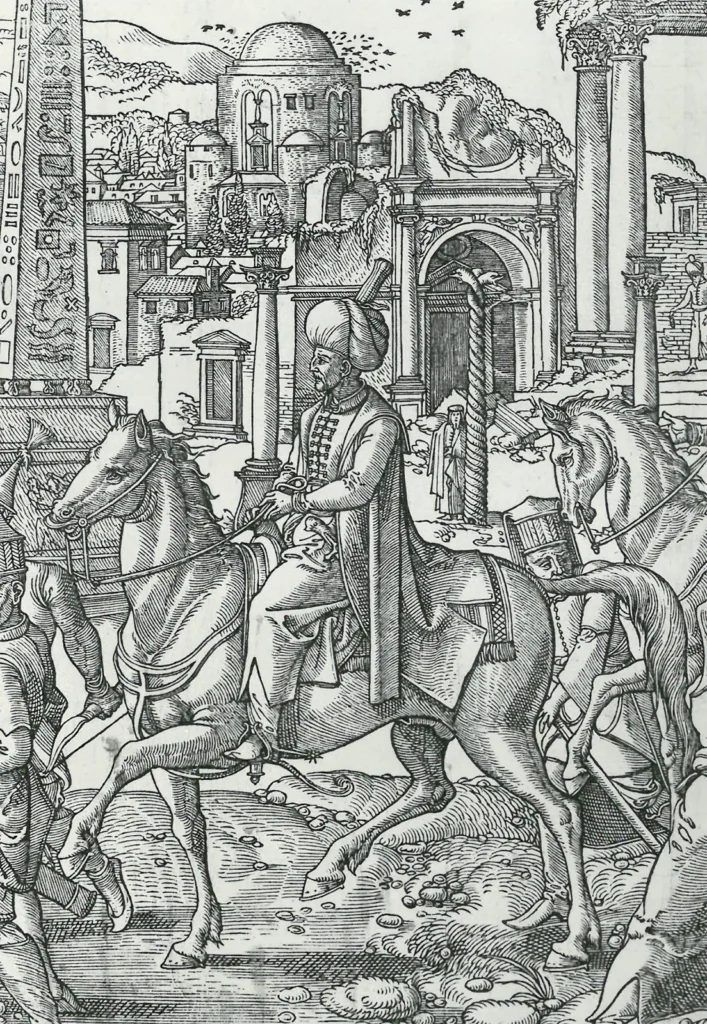
Süleyman I (the Magnificent)
Tvrtko I of Bosnia
Ottoman Rule In the 15th century, Bosnia was conquered by the Ottoman Empire. Ottoman rule lasted for more than 400 years and had a strong influence on the region’s culture, architecture, and religion. During this time, many mosques, bridges, and markets were built, and Islam became an important part of Bosnian society. One of the most important Ottoman rulers was Süleyman I the Magnificent, who ruled during the 16th century when the empire was at its peak and continued to expand and strengthen its influence in the Balkans.
Austro-Hungarian Period In 1878, control of Bosnia and Herzegovina passed to the Austro-Hungarian Empire. This period brought modernization, new infrastructure, and European-style administration. However, political tensions in the region continued to grow. One major event that took place in Sarajevo was the Assassination of Archduke Franz Ferdinand in 1914, which helped trigger World War I.
Archduke Franz Ferdinand moments before his assassination in Sarajevo, 1914.
Yugoslavia After the war, Bosnia and Herzegovina became part of the Kingdom of Yugoslavia and later socialist Yugoslavia after World War II. During this time, different ethnic and religious communities lived together within one federal state. Bosnia and Herzegovina remained one of the republics of Yugoslavia until the early 1990s.
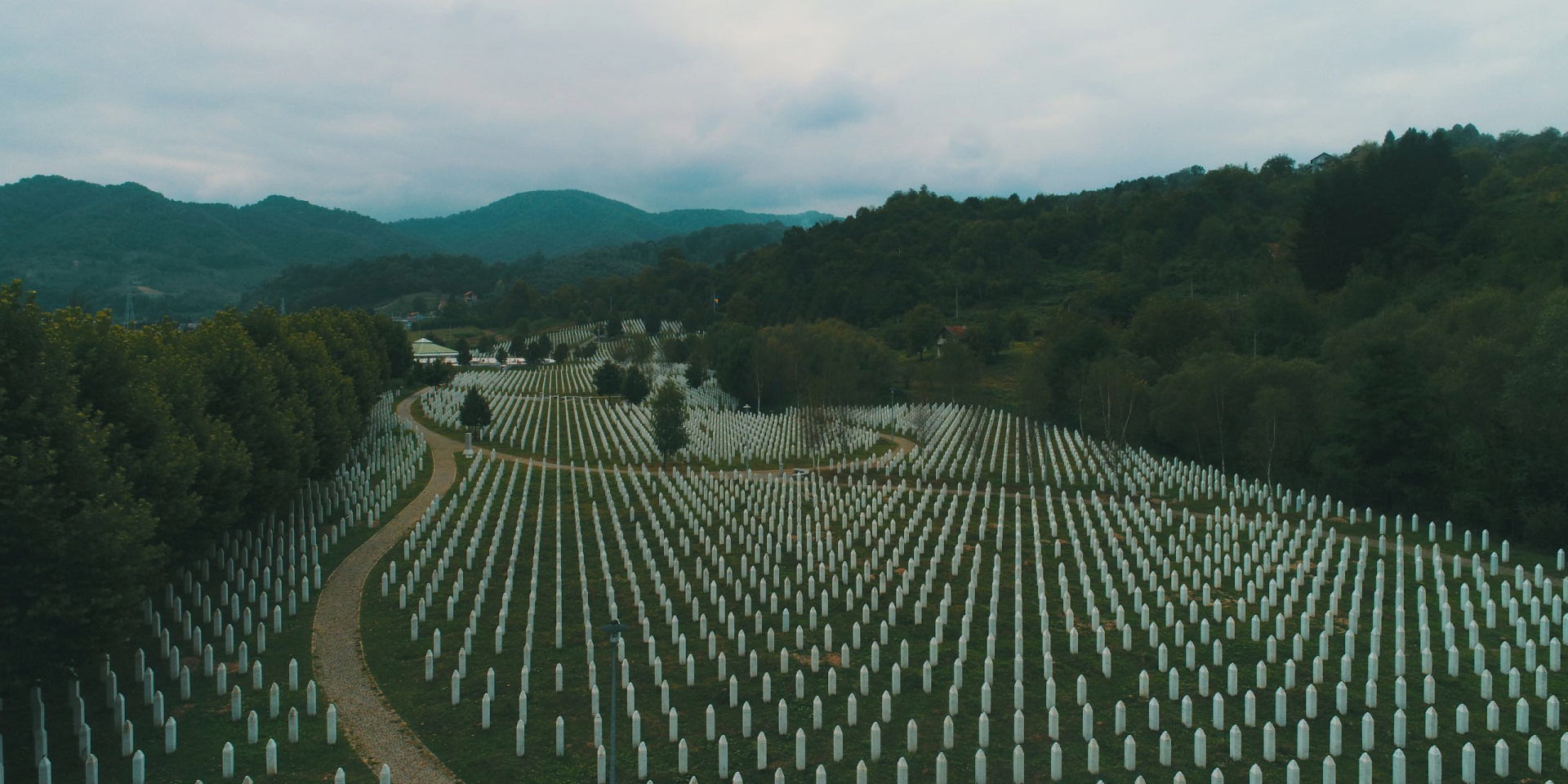
The Bosnian War After the breakup of Yugoslavia in the 1990s, Bosnia and Herzegovina declared independence in 1992. This led to the Bosnian War, a devastating conflict that lasted until 1995. The war caused widespread destruction and displacement across the country. One of the most tragic events of the war was the Srebrenica massacre in July 1995, in the town of Srebrenica. During this event, more than 8,000 Bosniak men and boys were killed. Today, the victims are remembered at the Srebrenica-Potočari Memorial Center, which stands as a place of remembrance and reflection.
Bosnia and Herzegovina Today Today, Bosnia and Herzegovina is an independent country known for its cultural diversity, historical landmarks, and natural beauty. Cities such as Sarajevo and Mostar attract visitors from around the world who want to explore the country’s rich history, traditions, and unique culture.
Bosnia and Herzegovina is not only famous for its beautiful landscapes and rich history, but also for its delicious traditional food. From lively city streets to small village markets, the country offers a variety of local specialties. If you visit, make sure to try these dishes and enjoy the authentic flavors of Bosnian cuisine.
Bosnia and Herzegovina has a long and complex history shaped by different cultures, empires, and traditions. Located in the heart of the Balkans, the country has been influenced by both Eastern and Western civilizations. Throughout the centuries, Bosnia and Herzegovina has experienced periods of independence, foreign rule, and conflict, all of which have shaped the country we see today.
Sarajevo is a city full of history, culture, and unique architecture. Known as the place where East meets West, Sarajevo offers a mix of Ottoman, Austro-Hungarian, and modern influences. The city has a rich past but also a lively present, with cafés, markets, and beautiful nature all around. From historic streets to peaceful green areas, Sarajevo has something for every visitor. If you are visiting Sarajevo, these are five places you should not miss.
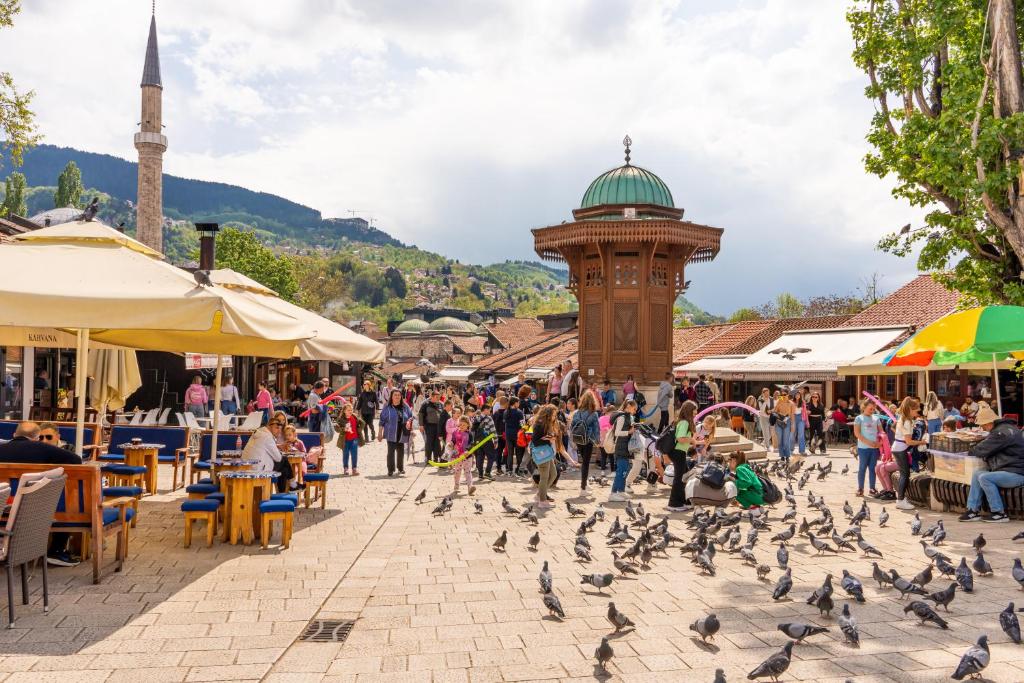
Baščaršija Baščaršija is the historic center of Sarajevo and one of the most famous places in the city. This old bazaar dates back to the Ottoman period and is filled with small shops, traditional restaurants, and cafés. You can walk through narrow streets, buy handmade souvenirs, watch local craftsmen at work, and try authentic Bosnian food. The atmosphere is lively during the day and cozy in the evening, making it a must-visit location.
Vrelo Bosne Vrelo Bosne is one of the most beautiful natural spots near Sarajevo and a perfect escape from the busy city. It is the source of the Bosna River and is known for its clear water, green surroundings, and peaceful atmosphere. Visitors can walk along long tree-lined paths, take a traditional horse carriage ride, or enjoy a picnic near the water. It is especially popular in spring and summer when everything is green and full of life.
Latin Bridge Latin Bridge is one of the most historically important sites in Sarajevo. This is where the Assassination of Archduke Franz Ferdinand took place in 1914, an event that led to World War I. Today, visitors can stand at this exact location and learn more about the event that changed world history, making it a meaningful stop during your visit.
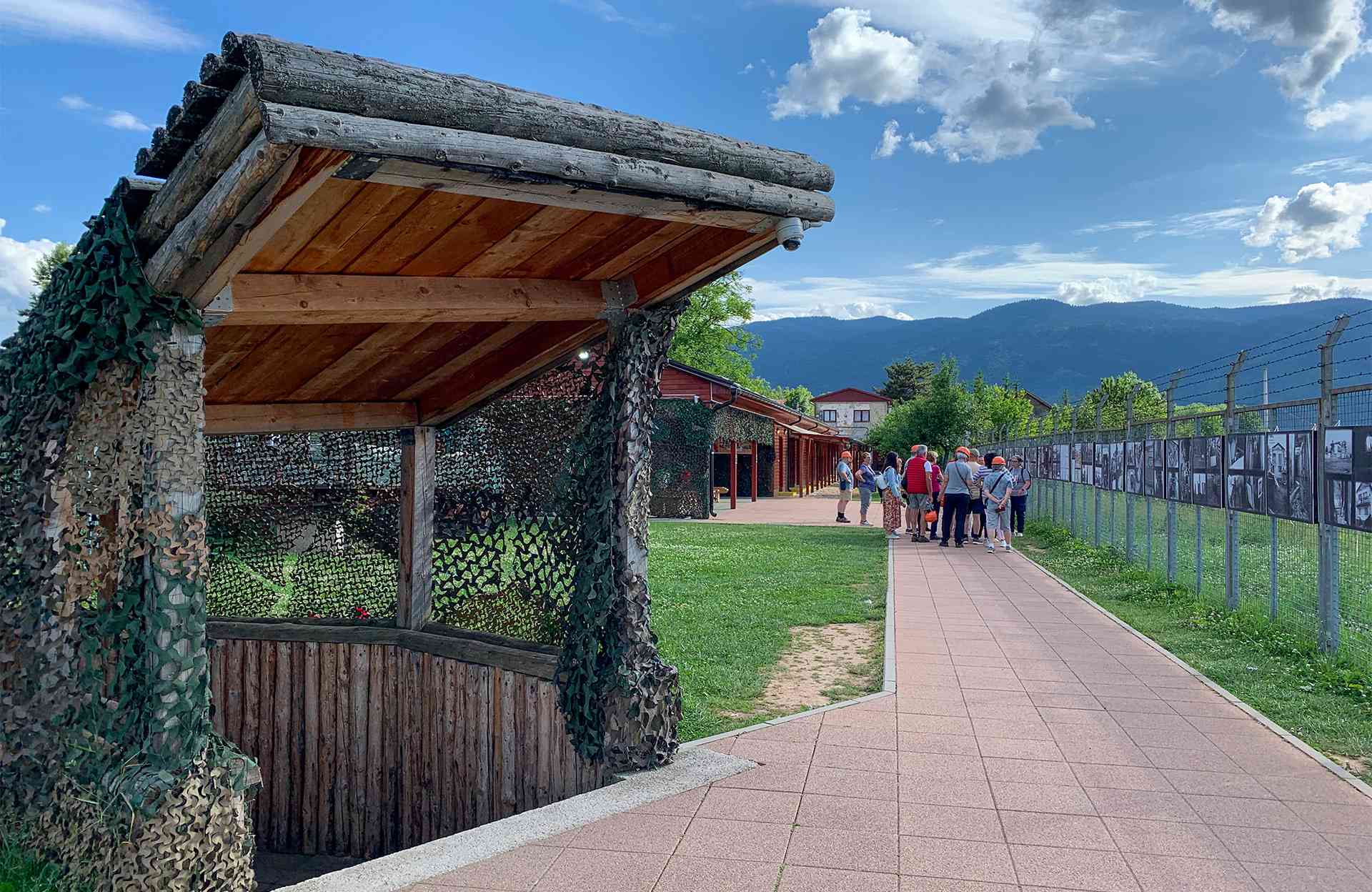
Sarajevo Tunnel (Tunnel of Hope) The Sarajevo Tunnel played a crucial role during the Bosnian War. It was used to transport food, supplies, and people in and out of the city during the siege, helping many survive difficult conditions. Today, it is a museum where visitors can learn more about Sarajevo’s recent history, see original objects, and even walk through a preserved part of the tunnel.
Yellow Fortress For one of the best views of the city, visit the Yellow Fortress. It is especially popular at sunset, when you can see the entire city surrounded by mountains and the sky changes colors. Many locals come here to relax, bring drinks, and enjoy the view with friends. It’s a simple but unforgettable way to end your day in Sarajevo.
Bosnia and Herzegovina is not only famous for its beautiful landscapes and rich history, but also for its delicious traditional food. From lively city streets to small village markets, the country offers a variety of local specialties. If you visit, make sure to try these dishes and enjoy the authentic flavors of Bosnian cuisine.
Bosnia and Herzegovina has a long and complex history shaped by different cultures, empires, and traditions. Located in the heart of the Balkans, the country has been influenced by both Eastern and Western civilizations. Throughout the centuries, Bosnia and Herzegovina has experienced periods of independence, foreign rule, and conflict, all of which have shaped the country we see today.
Sarajevo is a city full of history, culture, and unique architecture. Known as the place where East meets West, Sarajevo offers a mix of Ottoman, Austro-Hungarian, and modern influences. The city has a rich past but also a lively present, with cafés, markets, and beautiful nature all around. From historic streets to peaceful green areas, Sarajevo has something for every visitor. If you are visiting Sarajevo, these are five places you should not miss.
Discover Bosnia and Herzegovina
A place where East meets West, full of rich history, culture, and stunning landscapes. From vibrant cities to beautiful nature, there’s so much to explore.
Start your journey and uncover this hidden gem in the heart of the Balkans.