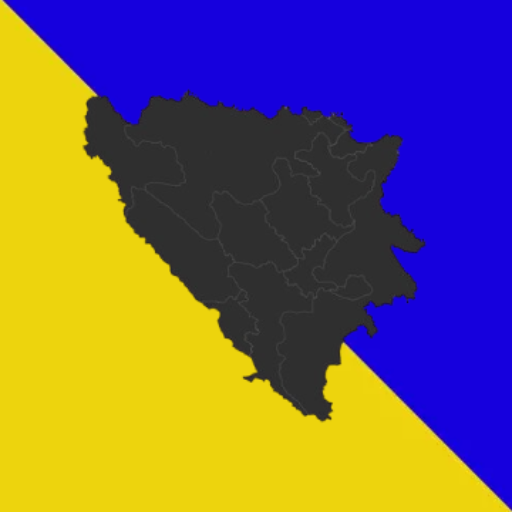
Bosnia and Herzegovina has a long and complex history shaped by different cultures, empires, and traditions. Located in the heart of the Balkans, the country has been influenced by both Eastern and Western civilizations. Throughout the centuries, Bosnia and Herzegovina has experienced periods of independence, foreign rule, and conflict, all of which have shaped the country we see today.
Medieval Bosnia
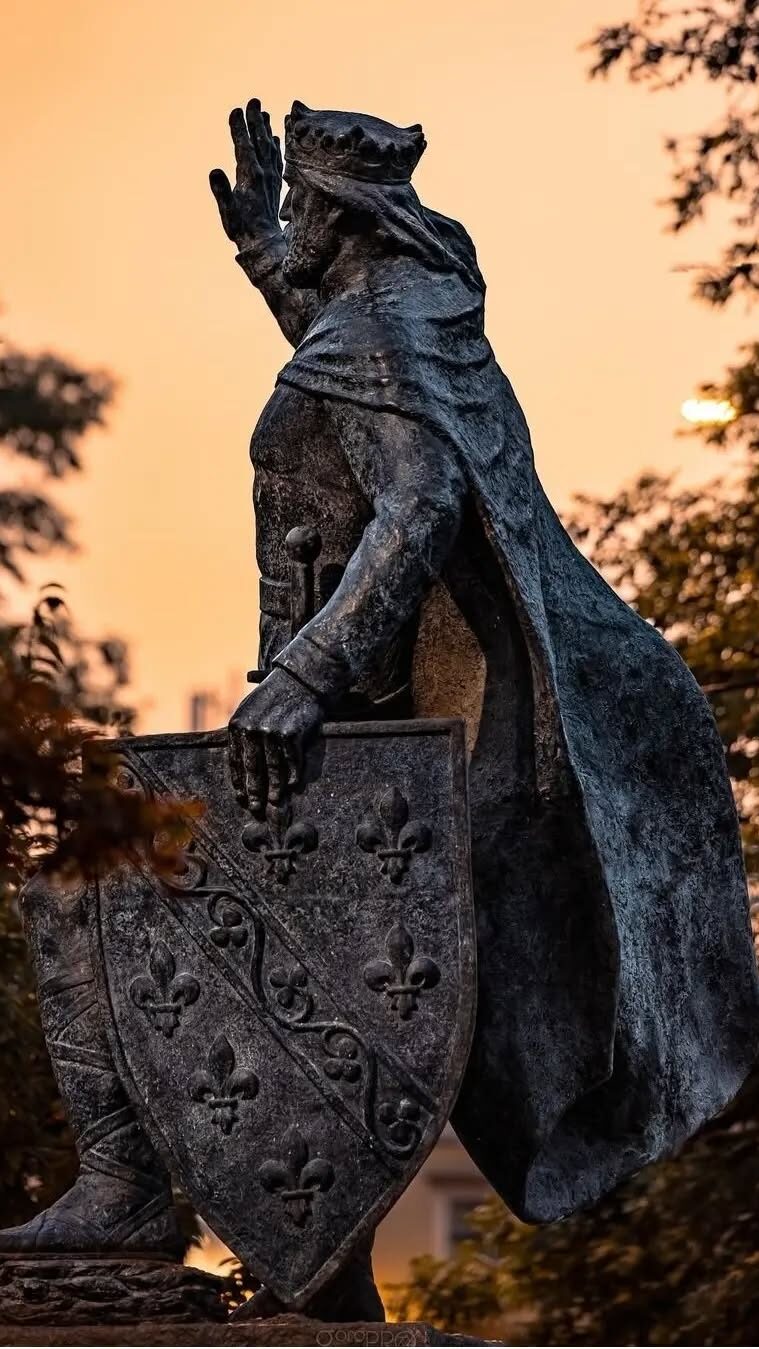
During the Middle Ages, Bosnia developed as an independent kingdom with its own political and cultural identity. One of the most important rulers was Tvrtko I of Bosnia, who was crowned king in 1377. Under his rule, Bosnia reached its greatest territorial expansion and political strength, becoming one of the most influential states in the region at the time. Trade and connections with neighboring regions helped the kingdom grow economically and culturally. The medieval Bosnian state also had its own culture and religious traditions, including the unique Bosnian Church, which played an important role in the country’s history.
Ottoman Rule
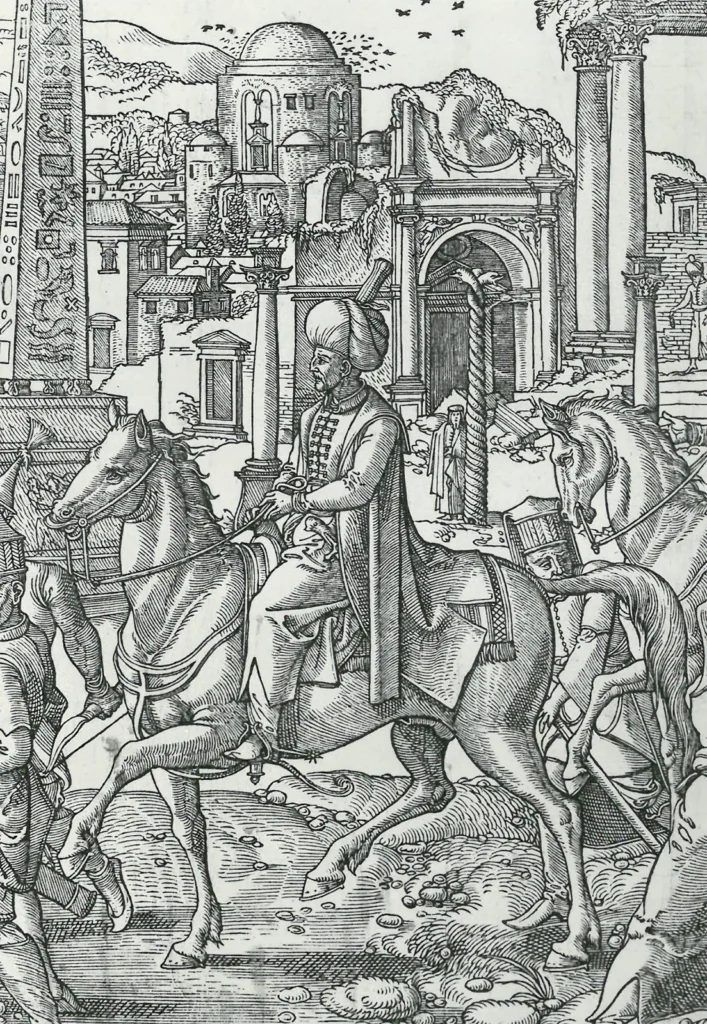
In the 15th century, Bosnia was conquered by the Ottoman Empire. Ottoman rule lasted for more than 400 years and had a strong influence on the region’s culture, architecture, and religion. During this time, many mosques, bridges, and markets were built, and Islam became an important part of Bosnian society. One of the most important Ottoman rulers was Süleyman I the Magnificent, who ruled during the 16th century when the empire was at its peak and continued to expand and strengthen its influence in the Balkans.
Austro-Hungarian Period
In 1878, control of Bosnia and Herzegovina passed to the Austro-Hungarian Empire. This period brought modernization, new infrastructure, and European-style administration. However, political tensions in the region continued to grow. One major event that took place in Sarajevo was the Assassination of Archduke Franz Ferdinand in 1914, which helped trigger World War I.

Yugoslavia
After the war, Bosnia and Herzegovina became part of the Kingdom of Yugoslavia and later socialist Yugoslavia after World War II. During this time, different ethnic and religious communities lived together within one federal state. Bosnia and Herzegovina remained one of the republics of Yugoslavia until the early 1990s.
The Bosnian War
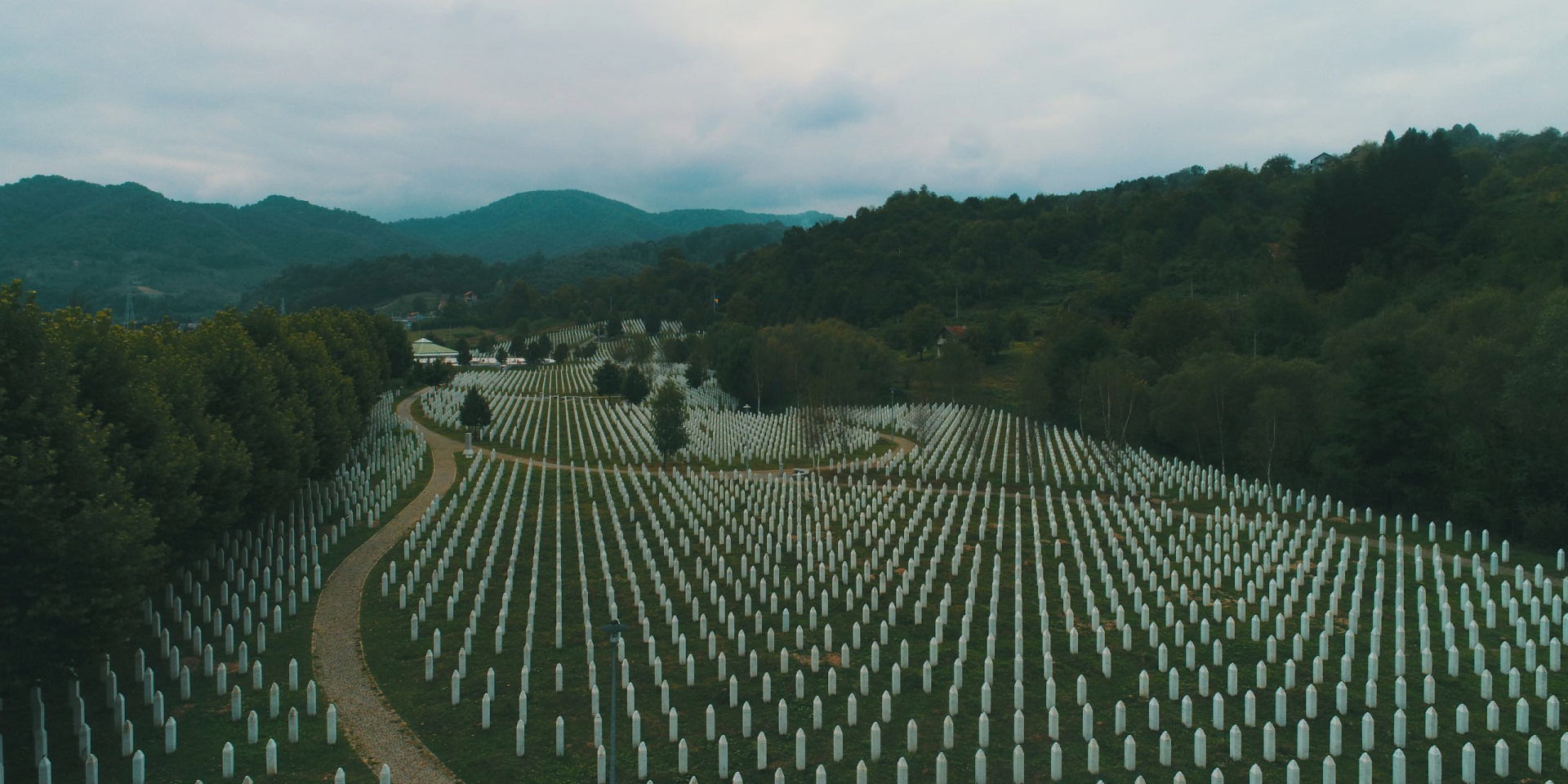
After the breakup of Yugoslavia in the 1990s, Bosnia and Herzegovina declared independence in 1992. This led to the Bosnian War, a devastating conflict that lasted until 1995. The war caused widespread destruction and displacement across the country. One of the most tragic events of the war was the Srebrenica massacre in July 1995, in the town of Srebrenica. During this event, more than 8,000 Bosniak men and boys were killed. Today, the victims are remembered at the Srebrenica-Potočari Memorial Center, which stands as a place of remembrance and reflection.
Bosnia and Herzegovina Today
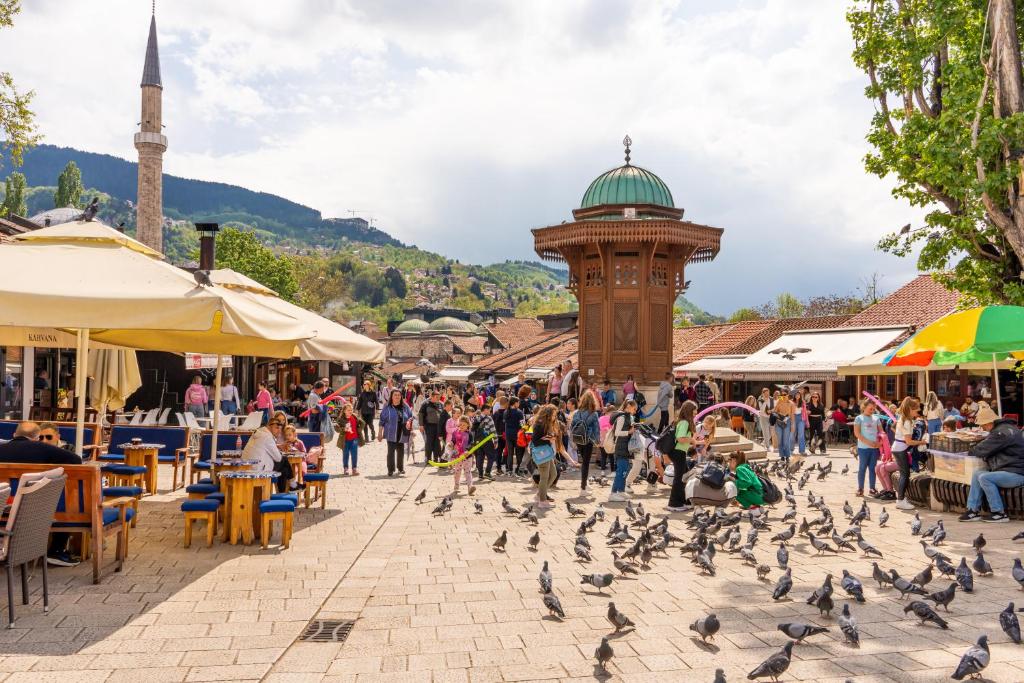
Today, Bosnia and Herzegovina is an independent country known for its cultural diversity, historical landmarks, and natural beauty. Cities such as Sarajevo and Mostar attract visitors from around the world who want to explore the country’s rich history, traditions, and unique culture.